
understanding ambient computing and its impact on modern lifestyles
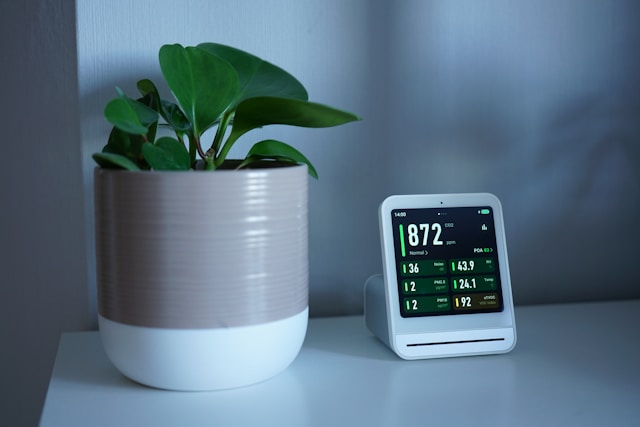
Defining Ambient Computing
Ambient computing is a concept that refers to an environment where technology is seamlessly integrated into everyday life, becoming almost invisible in its operation. It's characterized by the use of various devices and systems that work together intuitively, responding to user needs without requiring explicit commands. The goal is to create a space where technology supports and enhances daily routines effortlessly, enabling people to focus more on their activities rather than the technology itself.
Imagine waking up in the morning, and your coffee maker has already brewed a fresh cup because it knows your schedule. Or, consider walking into a room, and the lights and temperature automatically adjust to your preferences. This is the essence of ambient computing: technology that anticipates needs and operates quietly in the background.
Core Technologies Enabling Ambient Computing
At the heart of ambient computing are several key technologies that make this seamless integration possible:
- Internet of Things (IoT): IoT devices are interconnected, allowing them to communicate and share data with each other. These devices range from smart thermostats to voice-activated assistants like Amazon Alexa or Google Home.
- Artificial Intelligence (AI): AI enables machines to learn from user behavior and adapt accordingly. Machine learning algorithms can predict user actions, while natural language processing allows for more intuitive voice interaction.
- Cloud Computing: Cloud-based services provide the necessary infrastructure for data storage and processing, facilitating real-time interactions and remote access.
- Ubiquitous Connectivity: With constant connectivity through Wi-Fi, Bluetooth, and mobile networks, devices can remain in sync, ensuring they operate effectively across various environments.
Practical Applications of Ambient Computing
Smart Homes
Smart homes are perhaps the most tangible manifestation of ambient computing today. These homes are equipped with devices that automate and streamline various tasks:
- Lighting: Smart bulbs like Philips Hue can change color and intensity based on time of day or user preferences. For example, lights can dim gradually as bedtime approaches or turn on automatically when you arrive home.
- Climate Control: Smart thermostats such as Nest or Ecobee learn your temperature preferences and adjust accordingly to optimize comfort and energy usage.
- Security Systems: Devices like Ring doorbells offer real-time video surveillance and alerts when someone approaches your home, integrating with other security measures for comprehensive protection.
Wearable Technology
Wearables such as smartwatches and fitness trackers are also crucial components of ambient computing. These devices continuously collect data on health metrics and activity levels:
- Health Monitoring: Smartwatches monitor heart rate, sleep patterns, and even detect abnormalities like atrial fibrillation, prompting users to seek medical attention if needed.
- Activity Tracking: Fitness trackers provide insights into exercise habits, encouraging users to stay active by setting goals and reminding them to move at regular intervals.
Intelligent Workspaces
In the workplace, ambient computing transforms how environments adapt to employee needs:
- Automated Meeting Rooms: Systems like Cisco Webex can configure meeting rooms by adjusting lighting, blinds, and equipment settings based on scheduled meetings, ensuring a ready-to-use space.
- Personalized Work Environments: Desks equipped with sensors can adjust height and lighting based on user preferences stored in a personal profile.
The Impact on Daily Life
The integration of ambient computing into daily life offers numerous benefits:
- Convenience: Tasks that were once manual can now be automated, saving time and reducing cognitive load.
- Energy Efficiency: By optimizing device usage based on behavior patterns, ambient computing reduces unnecessary energy consumption.
- Enhanced Security: Continuous monitoring provides enhanced safety features in both residential and commercial settings.
However, the adoption of ambient computing also raises concerns about privacy and data security. As devices collect vast amounts of personal data to function efficiently, there is a need for robust security measures to protect against unauthorized access.
The Future of Ambient Computing
The future of ambient computing is promising as it continues to evolve with advancements in AI, IoT, and other related technologies. We can expect more sophisticated systems capable of understanding complex contexts and providing even greater personalization. Emerging technologies like edge computing may further enhance the capabilities of ambient systems by allowing more data processing at the source, thus improving response times and reducing dependency on centralized cloud services.
As ambient computing becomes more prevalent, developers and manufacturers must prioritize ethical considerations and address potential biases in AI algorithms to ensure equitable experiences for all users.
Overall, ambient computing represents a significant shift in how we interact with technology—moving towards an era where our environment intuitively responds to our needs, creating truly intelligent living spaces.