
the future of virtual communication: AR innovations from leading companies
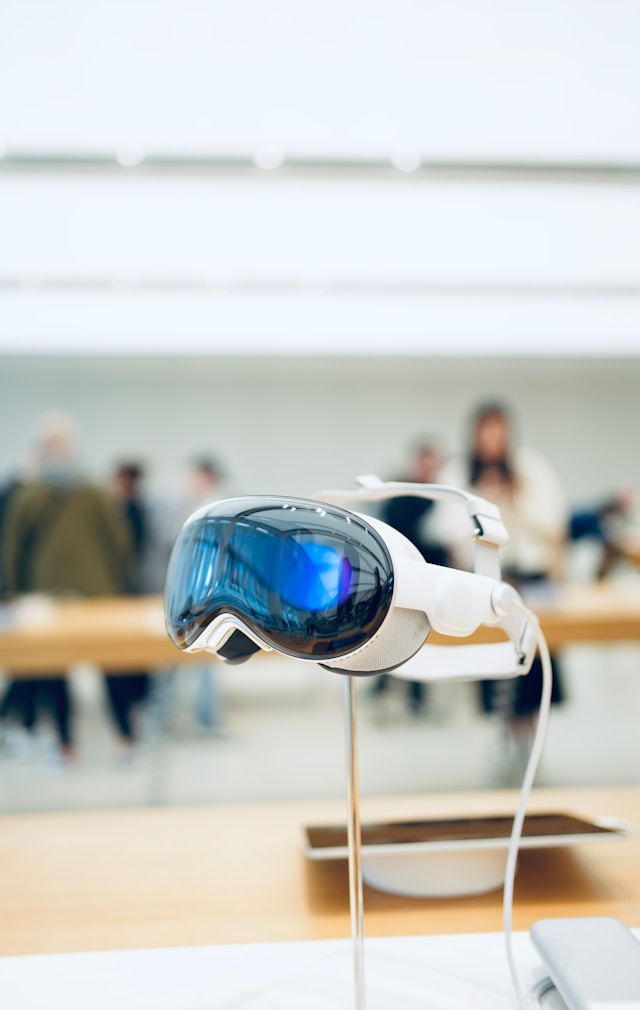
Augmented Reality: Transforming Virtual Communication
In today's fast-paced digital world, communication platforms must evolve to meet the dynamic needs of remote work and global collaboration. Augmented Reality (AR) is emerging as a transformative tool, enhancing the quality and effectiveness of virtual interactions. This technology superimposes digital information onto the real world, offering a more immersive experience for users. Companies like Spatial and TeamViewer are at the forefront of integrating AR into their platforms, reshaping how we conduct virtual meetings.
Spatial: Elevating Collaboration with Immersive Spaces
Spatial is revolutionizing virtual meetings by providing a platform where users can create and join 3D spaces. These environments allow participants to interact as if they were in the same room, breaking the confines of traditional video calls. Imagine attending a meeting not just by looking at faces on a screen but by engaging in a shared space where you can manipulate 3D models, annotate on documents, and visualize data collaboratively.
The Spatial Experience
With Spatial, users can customize their virtual environments, tailoring them to specific meeting purposes. This customization includes designing the layout, setting up interactive objects, and personalizing avatars that represent participants in the virtual space. The ability to move around and interact with both digital and physical elements enhances engagement and retention.
For example, a design team can gather around a 3D model of a product prototype. They can discuss modifications, view changes in real-time, and make annotations directly on the model. This hands-on approach enables better understanding and quicker decision-making compared to traditional methods.
Practical Tips for Using Spatial
- Prepare Your Environment: Ensure your physical space is clear and free of distractions to maintain focus during AR-enhanced meetings.
- Leverage Avatar Customization: Encourage team members to personalize their avatars to reflect their personality or role within the team, fostering a sense of presence and identity.
- Explore Interaction Features: Utilize Spatial's tools for creating notes, drawings, and annotations within the virtual space to enrich discussions and document important points.
TeamViewer: Bridging Distances with Augmented Support
TeamViewer has long been synonymous with remote support and connectivity solutions. With their AR offering, TeamViewer Pilot, they take remote assistance to a new level by enabling experts to guide field personnel using real-time video streaming augmented with AR annotations.
How TeamViewer Pilot Works
Field technicians or customers can share their live camera feed with an expert who might be miles away. The expert can then draw on the screen, place arrows or markers, and provide step-by-step instructions overlayed on the actual equipment being serviced. This visual guidance facilitates quick resolutions and reduces misunderstanding that often accompanies voice-only instructions.
Consider a scenario where a technician is repairing industrial machinery. With TeamViewer Pilot, an expert can visually direct the technician through complex processes by highlighting which parts to focus on or avoid. This level of detail can be critical in avoiding costly errors and ensuring safety protocols are met.
Maximizing the Benefits of TeamViewer Pilot
- Optimize Video Quality: Ensure high-quality video streaming by using reliable internet connections and modern devices for both parties involved in the session.
- Use Annotations Wisely: Annotations should be clear and concise to avoid cluttering the screen. Prioritize essential guidance points to enhance user comprehension.
- Record Sessions: Recording sessions can serve as valuable training materials or for later review if issues persist or need deeper analysis.
The Broader Impact of AR in Virtual Meetings
The adoption of AR in communication extends beyond individual platforms to transform organizational culture. AR-enhanced meetings foster inclusivity by allowing participants from various locations to contribute equally through shared visual aids and interactive elements. This can democratize information access and encourage diverse perspectives during discussions.
Moreover, AR can significantly reduce travel costs and environmental impact by minimizing the need for physical gatherings. Teams can brainstorm, design, and execute projects from anywhere in the world without compromising on quality or engagement.
Challenges and Considerations
Despite its potential, integrating AR into virtual communication is not without challenges. One of the primary hurdles is ensuring accessibility across different devices and platforms. As AR technology develops, compatibility issues may arise, requiring users to invest in specific hardware or software upgrades.
Data privacy is another critical concern. As AR applications capture real-world surroundings, sensitive information could inadvertently be exposed or misused. Companies must implement robust security measures to protect user data and build trust in these innovative systems.
Looking Ahead: The Future of AR in Communication
The future of virtual communication is bright with the continuous evolution of AR technologies. Companies like Spatial and TeamViewer demonstrate how AR can transcend current communication limitations, paving the way for more intuitive and immersive experiences. As these technologies advance, they will likely become more integrated into everyday business operations, changing how we collaborate and communicate fundamentally.
Businesses planning to adopt AR solutions should stay informed about technological developments and prepare to train their workforce in utilizing these tools effectively. By embracing AR innovations today, organizations can position themselves at the forefront of tomorrow's communication landscape.