
Improving Global Software Projects with Effective Cloud Collaboration Strategies
The Rise of Cloud Collaboration in Software Development
In an era where software development transcends borders, companies like GitLab and InVision demonstrate that effective collaboration is no longer bound by physical office spaces. By leveraging cloud computing technologies, these companies empower global teams to work together seamlessly, regardless of location. As remote work becomes increasingly prevalent, understanding and implementing cloud collaboration strategies is crucial for success.
Case Studies: GitLab and InVision's Cloud Strategies
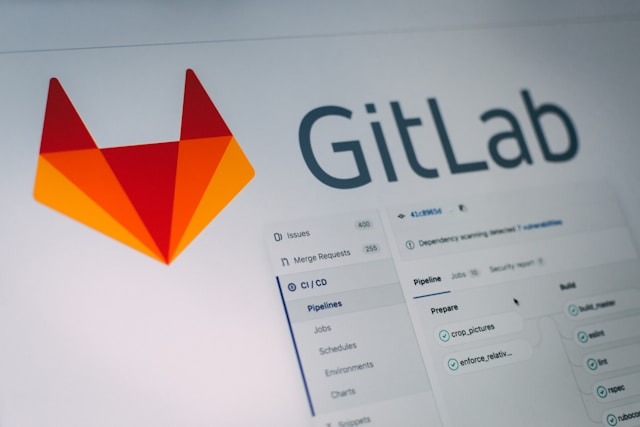
GitLab has long been a pioneer in the remote work arena. The company operates entirely without a physical headquarters, relying heavily on cloud-based tools to manage its distributed workforce. By using platforms such as GitLab's own tool and other collaborative software, the team maintains productivity and cohesion across time zones.
InVision, another leader in design collaboration, has embraced a similar model. Their platform enables designers and developers to collaborate visually from anywhere, utilizing cloud storage for assets and a suite of tools for real-time feedback and communication.
Key Tools Empowering Remote Teams
- Version Control Systems: Tools like GitHub and GitLab offer version control capabilities critical for managing code changes collaboratively. These platforms provide repositories accessible to all team members, facilitating simultaneous work on projects.
- Communication Platforms: Real-time messaging apps such as Slack or Microsoft Teams are indispensable. They offer integration with other tools, enabling seamless notifications about project updates.
- Project Management Software: Tools like Trello, Jira, and Asana help organize tasks, set deadlines, and track progress, ensuring all team members stay aligned on project goals.
Strategies for Successful Cloud-Based Collaboration
1. Establish Clear Communication Protocols
Effective communication is the backbone of any successful remote team. Establishing clear protocols regarding how and when team members should communicate can reduce confusion and increase efficiency.
- Daily Stand-ups: Short, daily meetings can keep teams aligned and provide a forum for discussing immediate concerns.
- Documentation: Maintaining thorough documentation in shared cloud repositories ensures that information is accessible to everyone.
2. Embrace Agile Methodologies
Agile methodologies are well-suited to the dynamic nature of global software projects. Using sprints and iterative development cycles allows teams to adapt quickly to changing requirements or new challenges.
An example workflow could involve two-week sprints, where each sprint includes planning sessions, daily stand-ups, a review, and a retrospective meeting. This cycle encourages continuous feedback and improvement, essential in a dispersed team environment.
3. Prioritize Data Security
With collaboration happening over the cloud, ensuring data security is paramount. Implementing robust security protocols, including encryption and regular audits, protects sensitive information from breaches.
Both GitLab and InVision utilize state-of-the-art encryption technologies to secure their data. Additionally, conducting regular training sessions helps keep all employees aware of potential security threats.
Practical Checklist for Implementing Cloud Collaboration
- Select Appropriate Tools: Evaluate the needs of your team to choose the right tools for communication, project management, and version control.
- Train Your Team: Ensure all team members understand how to use the chosen tools effectively. Provide ongoing training as necessary.
- Develop a Communication Plan: Outline how information will be shared across the team and establish regular meeting schedules.
- Focus on Security: Implement encryption, access controls, and educate your team about best practices for data security.
- Review and Adjust: Periodically review your collaboration strategies and adjust them based on team feedback and project demands.
The Future of Global Software Development
The transition to remote software development supported by cloud collaboration tools is not a fleeting trend; it represents the future of how global teams will operate. Companies that embrace these technologies effectively position themselves to harness the full potential of a diverse workforce spread across the globe.
The strategies utilized by industry leaders like GitLab and InVision offer a roadmap for others seeking to improve their remote collaboration practices. By focusing on robust communication, agile methodologies, and stringent security measures, companies can navigate the complexities of global software projects with confidence.