Detailed Overview of the Latest Smartwatch Trends and User-Friendly Features
The Evolving Landscape of Smartwatches
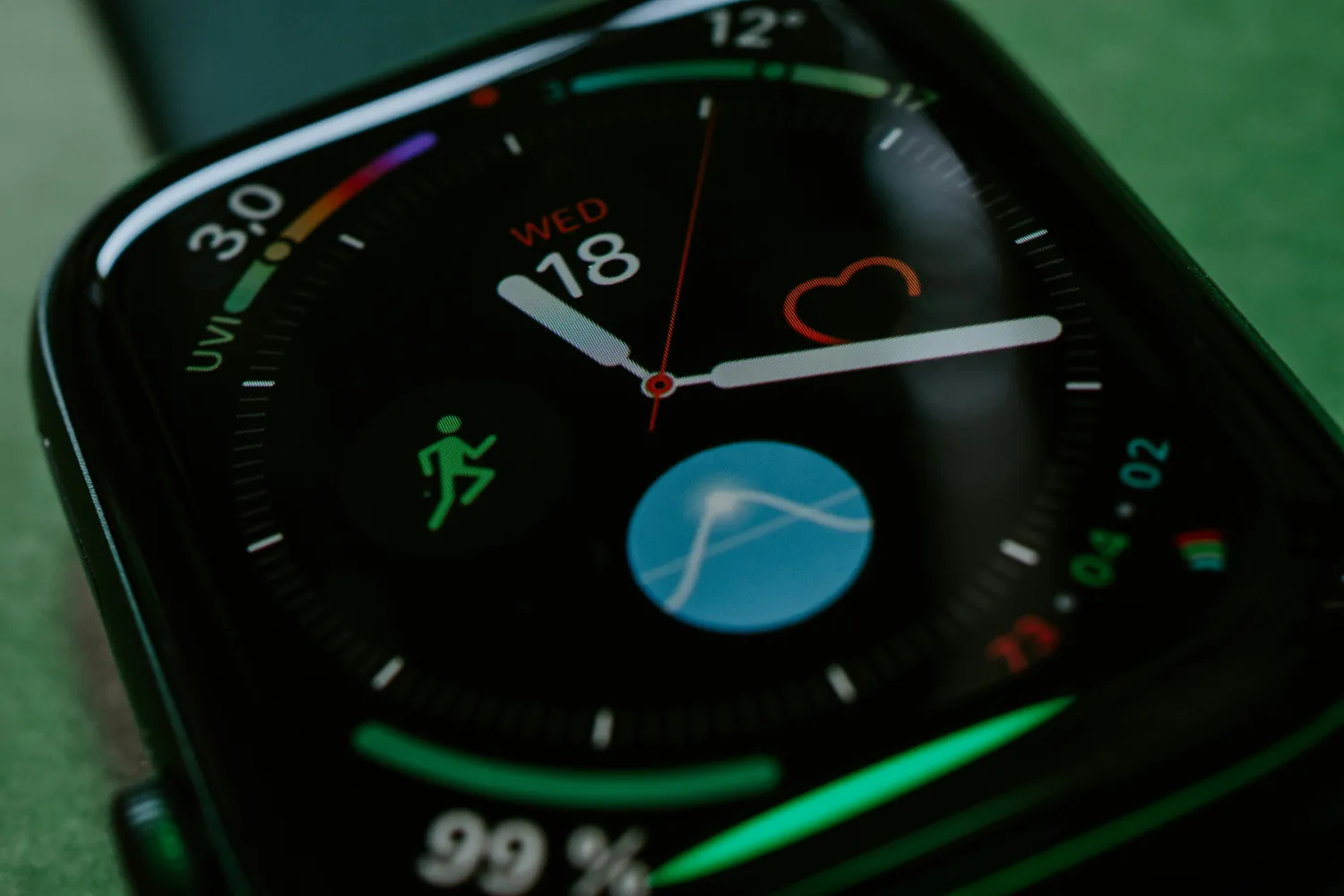
Smartwatches have come a long way from being mere extensions of our smartphones. Today, they are packed with features that cater to diverse needs, ranging from fitness tracking to advanced health monitoring, and seamless connectivity. As technology progresses, so do the capabilities of these wrist-worn devices, making them indispensable for tech enthusiasts and health-conscious users alike.
In this review, we delve into the latest trends in smartwatch technology, focusing particularly on unique features like health monitoring and battery life. Our goal is to provide a framework for evaluating these functionalities in accordance with individual lifestyle needs.
Health Monitoring Features
Heart Rate Monitoring
Heart rate monitoring has become a staple feature in modern smartwatches. Devices like the Apple Watch Series 9 and Samsung Galaxy Watch 6 have refined their heart rate sensors, providing accurate readings that can assist users in tracking their cardiovascular health.
Pros:
- Continuous heart rate tracking provides real-time feedback during exercise.
- Alerts for abnormal heart rate patterns can aid in early detection of health issues.
Cons:
- Accuracy can be compromised by improper fit or skin tone variations.
- Battery life may be affected when continuous monitoring is enabled.
Best For: Individuals who engage in regular physical activity or have specific health conditions that require constant monitoring.
ECG and Blood Oxygen Levels
The integration of Electrocardiogram (ECG) functionality is another leap forward in wearable health technology. Brands like Withings and Fitbit offer devices that allow users to take ECG readings on demand, alongside monitoring blood oxygen levels (SpO2).
Pros:
- Provides valuable insights into cardiac health and respiratory efficiency.
- ECG can assist in identifying atrial fibrillation (AFib).
Cons:
- ECG features often require manual activation rather than continuous monitoring.
- Slightly more complex user interface due to additional functionalities.
Best For: Users with pre-existing heart conditions or those interested in detailed health insights.
Battery Life: A Critical Comparison
Standard vs. Extended Battery Life
A major pain point for smartwatch users is battery life. As manufacturers continue to add new features, maintaining an adequate power supply becomes challenging. Notable examples include the Garmin Fenix 7, which offers extended battery life ideal for outdoor enthusiasts, and the Amazfit GTR 4, known for its efficient battery management in everyday use.
Pros of Extended Battery Life:
- Less frequent charging ensures the watch is always ready for use.
- Ideal for travel or extended outdoor activities where charging options are limited.
Cons of Extended Battery Life:
- Might sacrifice certain high-power functionalities such as vibrant display settings or GPS tracking.
Best For: Users who require long battery life for extended trips or minimalistic daily usage.
Quick Charging Solutions
To counteract battery concerns, some manufacturers have introduced quick charging technologies. The TicWatch Pro 4G, for example, incorporates fast charging capabilities allowing users to gain significant usage time with a short charge period.
Pros:
- Convenience of rapid power top-up during short breaks.
Cons:
- High temperature during charging can impact long-term battery health.
Best For: Busy professionals or travelers who prefer not to wait for prolonged periods to charge their devices.
The Interface and User Experience
Simplicity vs. Feature-Rich Interfaces
The interface of a smartwatch plays a critical role in user satisfaction. The Apple Watch Series 9's interface is lauded for its intuitive design that caters to both tech-savvy users and newcomers. On the other hand, the Tizen OS used by Samsung offers a feature-rich environment that appeals to users wanting customizable options.
Simplicity Pros:
- User-friendly and easy to navigate, ideal for all age groups.
Simplicity Cons:
- Might lack advanced features expected by tech enthusiasts.
Feature-Rich Pros:
- A wide array of customization options allows personalized user experience.
Feature-Rich Cons:
- The learning curve may be steep for less tech-inclined individuals.
Ecosystem Compatibility
Cohesive Ecosystems: Apple vs. Android Wear OS
A smartwatch's integration within its respective ecosystem is vital for a seamless experience. The Apple Watch, when paired with an iPhone, offers unparalleled synergy with Apple's suite of applications. Conversely, Android Wear OS provides flexibility, offering broader compatibility across multiple device brands.
Ecosystem Pros:
- Cohesive integration enhances user experience and simplifies connectivity between devices.
Ecosystem Cons:
- User lock-in may occur due to brand-specific features and services.
The decision between these ecosystems largely depends on existing device ownership and personal preference towards brand-specific services and applications.
The Final Decision: Choosing Your Ideal Smartwatch
Selecting a smartwatch ultimately hinges on what aspects are most important to you—whether it’s health features, battery performance, interface simplicity, or ecosystem integration. This review serves as a guide to navigating these multifaceted devices in today's market landscape, ensuring you select a smartwatch that aligns perfectly with your lifestyle needs.