
Home Networking Showdown: Evaluating Ethernet, Wi-Fi 6, and Li-Fi Options
Understanding the Core Technologies
As we delve into the world of home networking, it’s essential to understand the core technologies at play: Ethernet, Wi-Fi 6, and Li-Fi. Each technology has its unique attributes and best-use scenarios, making it crucial for homeowners to make informed decisions based on their specific needs.
Ethernet: The Backbone of Home Networking
Pros and Cons of Ethernet
Ethernet has long been considered the gold standard in networking due to its reliability and speed. Here are some key points to consider:
- Pros: Consistent speeds, low latency, high security.
- Cons: Requires physical cabling, limited mobility.
Ethernet is particularly advantageous in homes where stable, uninterrupted connectivity is paramount, such as for gamers or professionals who rely on consistent data transfer rates.
Implementing Ethernet in Your Home
Setting up Ethernet involves running cables from your router to each device or through a network switch. This may require some planning, especially in larger homes or those with complicated layouts. To optimize setup:
- Use Cat6 or Cat7 cables for future-proofing against higher speeds.
- Consider Power over Ethernet (PoE) solutions to minimize wiring complexity by combining power and data signals.
The primary challenge remains the labor-intensive process of installing cables, but this can be mitigated by professional installation services.
Wi-Fi 6: Cutting-Edge Wireless Technology
Why Wi-Fi 6?
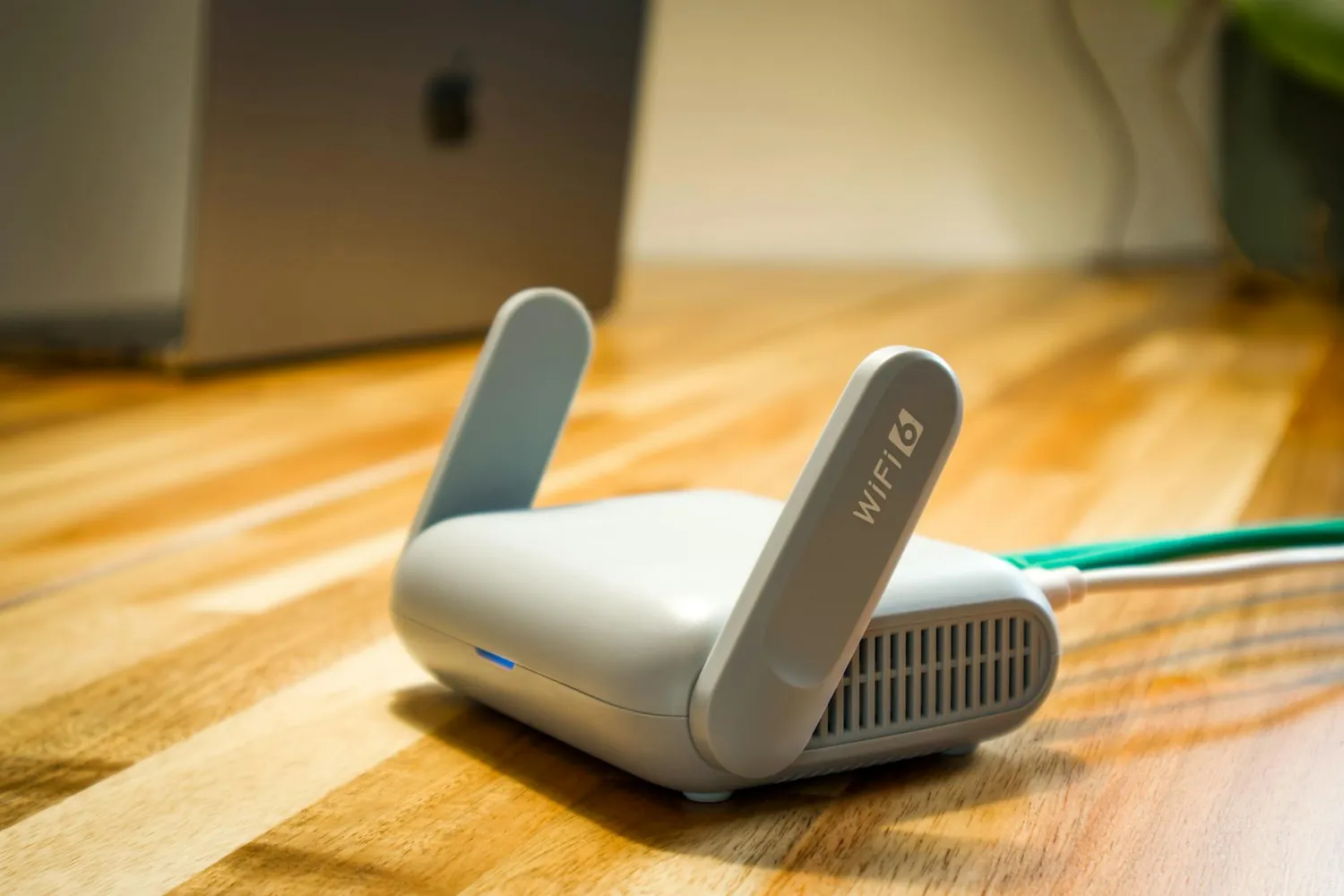
Wi-Fi 6, also known as 802.11ax, represents the latest evolution in wireless networking. It’s designed to offer higher capacity, better performance in dense environments, and improved power efficiency.
- Pros: High-speed wireless connectivity, extensive range, supports multiple devices simultaneously.
- Cons: Susceptible to interference, potential security concerns if not properly configured.
Wi-Fi 6 is ideal for smart homes that host numerous devices ranging from phones and laptops to IoT devices. Its ability to handle high traffic makes it suitable for families with diverse connectivity needs.
Setting Up a Wi-Fi 6 Network
To leverage Wi-Fi 6's benefits:
- Invest in a Wi-Fi 6 router. Make sure your devices support the standard to enjoy full advantages.
- Use features like OFDMA and MU-MIMO for efficient data management across multiple devices.
The flexibility of Wi-Fi allows for relatively easy setup and expansion, making it accessible for most households without extensive technical expertise.
Li-Fi: The Future of Light-Based Connectivity
An Introduction to Li-Fi
Li-Fi, or Light Fidelity, is an emerging technology that uses light to transmit data. It holds promise for environments where radio frequencies might be problematic or where high-speed secure networks are desired.
- Pros: Ultra-fast data transmission, enhanced security due to line-of-sight requirements.
- Cons: Limited range and requires direct light path.
The novelty of Li-Fi makes it an exciting option for niche applications such as environments demanding high security or places with radio-sensitive equipment like hospitals.
Deploying Li-Fi in a Home Environment
The adoption of Li-Fi at home presents unique challenges:
- You need Li-Fi enabled LED bulbs, which serve as access points.
- Devices require a Li-Fi receiver, making current widespread application limited.
Despite its potential, the technology still needs broader infrastructural support and market penetration to become a viable mainstream home networking option.
Choosing the Right Technology for Your Home
The choice between Ethernet, Wi-Fi 6, and Li-Fi depends on specific use-case scenarios:
- If you prioritize speed and stability, Ethernet is unmatched, though it involves complex setup.
- If you desire widespread accessibility, opt for Wi-Fi 6, especially if your home has many connected devices.
- If you require security and innovative solutions, explore Li-Fi, keeping in mind current limitations.
The Future of Home Networking
The landscape of home networking is ever-evolving. As new technologies emerge and existing ones improve, homeowners can expect even more options tailored to their specific needs. Understanding these technologies ensures you're ready to harness the power of next-generation networking in your home.