
Privacy Challenges in the Era of Advanced Wearable Health Tech
Advancements in Wearable Health Technology
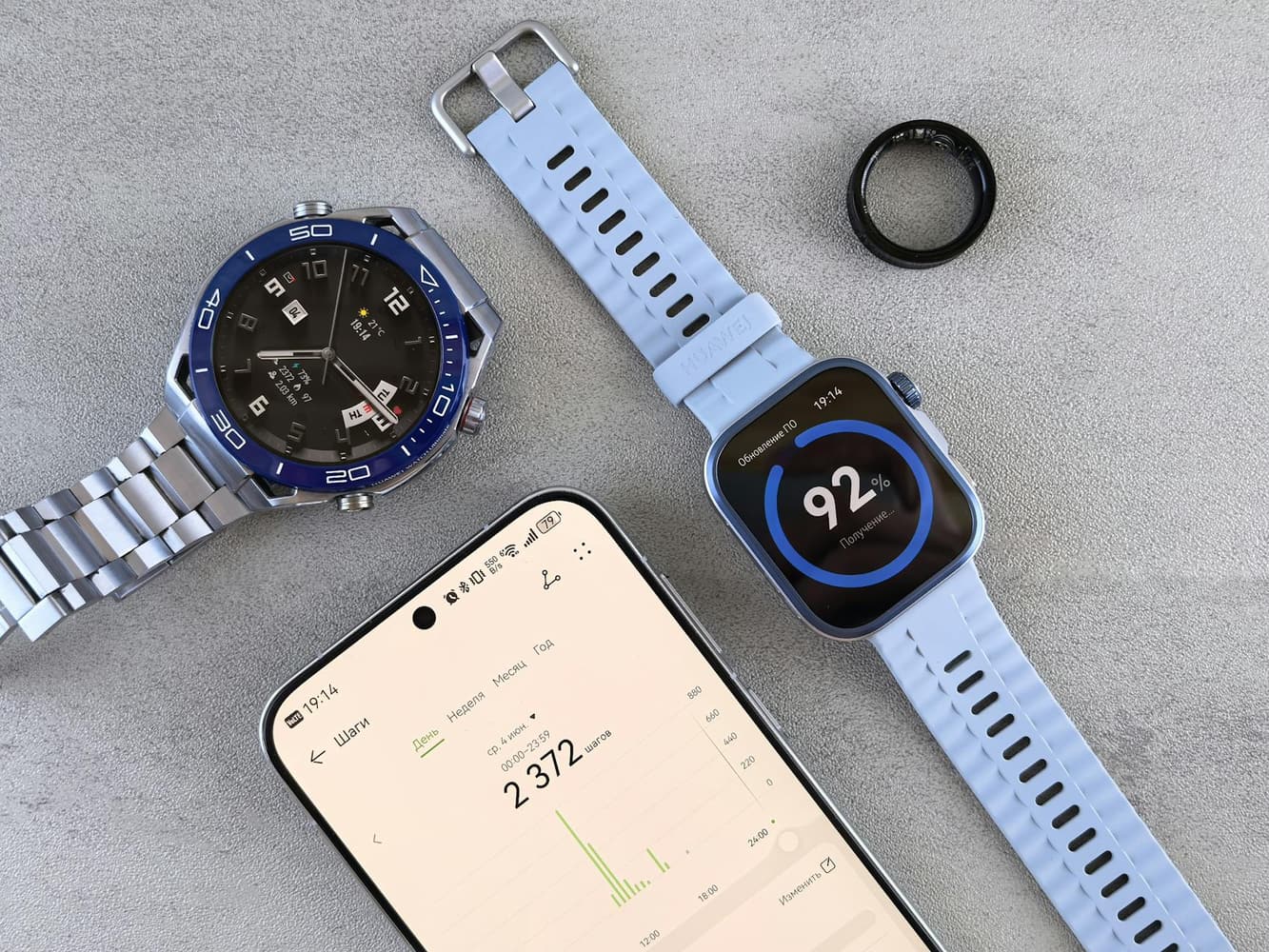
The world of wearable technology has expanded beyond simple fitness trackers to include sophisticated devices capable of monitoring a wide range of health metrics. Smartwatches and fitness bands now offer continuous tracking of heart rate, sleep patterns, blood oxygen levels, and even ECG readings. This leap in technology promises significant benefits for health monitoring and personal wellness.
The Role of Smartwatches and Fitness Trackers
Smartwatches such as the Apple Watch Series and Garmin models provide users with real-time insights into their physical activities and health statistics. These devices have sensors that can track metrics like steps taken, calories burned, and active minutes. More advanced features include fall detection and alerts for irregular heart rates, which can be crucial for early medical intervention.
- Heart Rate Monitoring: Provides insights into cardiovascular health.
- Sleep Tracking: Offers analysis of sleep quality and stages.
- ECG Functionality: Helps detect atrial fibrillation by measuring electrical activity of the heart.
Effectiveness in Health Monitoring
The effectiveness of wearable health tech is evident in its growing adoption by consumers aiming for proactive health management. Real-world scenarios where these devices prove beneficial include tracking recovery progress post-surgery or managing chronic conditions such as hypertension and diabetes.
User Engagement through Gamification
To enhance user engagement, many wearable tech companies employ gamification strategies. For example, Fitbit uses badges and challenges to motivate users to achieve their fitness goals. This approach not only enhances user experience but also encourages a lifestyle focused on wellness.
Privacy Concerns with Wearable Devices
Despite their benefits, wearable health devices raise significant privacy concerns. The data collected by these gadgets is highly personal and sensitive, ranging from daily activity levels to detailed health metrics.
Data Collection and Sharing
Wearable devices collect massive amounts of data that can be shared with third parties, including app developers and healthcare providers. Although this data sharing can lead to better health insights and personalized services, it poses risks if the data is misused or improperly protected.
- User Consent: Ensure clear policies are in place for data collection.
- Data Encryption: Use strong encryption methods to protect data during transmission.
Mitigating Privacy Risks
To address privacy concerns, manufacturers and developers must implement robust security measures. Users should also take steps to protect their information by understanding device settings and permissions.
Practical Tips for Users
Users can enhance their data privacy by:
- Regularly updating device firmware to patch vulnerabilities.
- Reading privacy policies carefully before accepting them.
- Limiting the sharing of personal data with apps unless necessary.
The Future of Wearable Health Tech
The trajectory of wearable health technology is poised for continued innovation, potentially integrating AI-driven analytics for more personalized health recommendations. However, the balance between innovation and privacy will remain critical as new functionalities are introduced.
Scenarios in Healthcare Integration
In a future scenario, wearable devices could integrate seamlessly with healthcare systems, providing doctors with real-time data to improve diagnosis accuracy and treatment plans. This could significantly enhance patient outcomes but will require stringent data governance frameworks to ensure patient privacy is respected.
Conclusion
The advancement of wearable health technology offers transformative potential for personal health management, yet it brings considerable privacy challenges. Both users and manufacturers must collaborate to create a secure ecosystem that leverages technology while safeguarding individual privacy.