
Market Analysis of the Foldable Smartphone Sector: Challenges and Opportunities
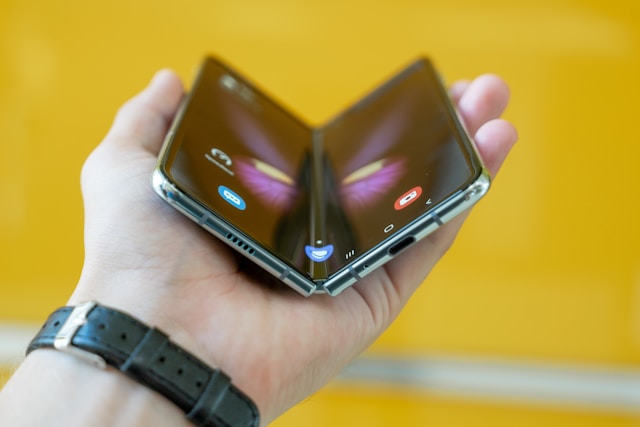
The Current State of Foldable Smartphones
The foldable smartphone market has seen significant advancements since its inception, with major tech companies like Samsung, Huawei, and Motorola leading the charge. As of 2023, foldable smartphones account for approximately 5% of the global smartphone sales, a figure that industry analysts predict could double within the next five years. However, despite their novelty and innovative designs, these devices face both opportunities and hurdles as they vie for mainstream acceptance.
Rising Consumer Interest
Consumer interest in foldable phones is largely driven by their unique ability to combine the functionalities of a smartphone and a tablet. Devices such as the Samsung Galaxy Z Fold series have been praised for offering expansive displays when unfolded, while maintaining portability when folded. This dual functionality appeals particularly to tech enthusiasts and early adopters who value cutting-edge technology and versatile device capabilities.
- Example: The Galaxy Z Fold 4 features a 7.6-inch screen when open, providing ample space for multitasking or media consumption.
- Example: Motorola's Razr series pays homage to the classic flip phone design but incorporates modern touch screen functionality.
Challenges Faced by the Market
The adoption of foldable smartphones is not without challenges. Key concerns include durability, price, and user experience issues. These factors influence consumer purchasing decisions significantly.
Durability Concerns
One of the most pressing issues is durability. Folding mechanisms introduce more points of potential failure compared to traditional smartphones. Users have reported issues such as screen creases, hinge malfunctions, and susceptibility to dust ingress. Manufacturers are investing heavily in research to improve these aspects, but overcoming the inherent mechanical complexity remains a challenge.
For instance, Samsung's Galaxy Z Flip and Fold series utilize an ultra-thin glass layer to enhance screen resilience, yet some users still experience visible wear after extended use.
Price Barriers
Another significant barrier to widespread adoption is cost. Foldable smartphones typically command premium prices—often exceeding $1,500—making them less accessible to budget-conscious consumers. This price premium is due in part to the sophisticated engineering required for foldable displays and hinges, which are more costly than standard components.
To broaden market appeal, manufacturers could consider tiered offerings, similar to traditional smartphones, where older models or variants with fewer features are sold at lower price points.
Opportunities for Growth
Despite these challenges, the foldable smartphone sector presents numerous opportunities for growth. As technology evolves, production costs are expected to decrease, potentially lowering retail prices over time. Furthermore, improvements in durability could help mitigate consumer concerns about longevity.
Innovative Use Cases
The unique form factor of foldable phones allows for innovative applications that standard smartphones cannot offer. For example:
- Split-screen multitasking: Users can run two apps simultaneously on separate halves of the screen—ideal for productivity tasks such as taking notes during a video call.
- Enhanced media experiences: Larger screens provide an improved platform for streaming videos and playing games.
These functionalities highlight the potential for foldables in sectors like business, gaming, and entertainment, where multitasking and immersive experiences are valued.
Consumer Feedback and Iteration
User feedback plays a critical role in shaping future iterations of foldable smartphones. Brands actively engage with their customer base through surveys and community forums to gather insights into consumer preferences and pain points. This feedback loop enables manufacturers to refine product designs iteratively, addressing issues related to software optimization, hinge design, and overall user experience.
The Trade-offs Between Flexibility and Durability
The central trade-off in foldable smartphone design is balancing flexibility with durability. Flexible displays allow for compact designs that expand into larger screens but introduce vulnerability in daily use scenarios.
Material Innovations
Material science innovations are pivotal in this balance. Many companies are experimenting with polymers and flexible glass compounds to enhance screen resilience without compromising flexibility. Samsung's use of UTG (Ultra-Thin Glass) represents a step towards achieving this balance, though it is not yet perfect.
Design Considerations
The complexity of foldable designs necessitates rigorous testing and quality assurance protocols. From hinge stress tests to impact resistance evaluations, manufacturers must ensure that devices withstand normal wear and tear while maintaining functionality. This has led to innovative approaches such as water resistance features in folding mechanisms—a feat once thought improbable.
The Future Outlook
The future of foldable smartphones appears promising as technological advances continue to address current limitations. With anticipated breakthroughs in material sciences and reduced production costs, the adoption rate is expected to accelerate.
Emerging Trends
As technology matures, we may see new trends in foldables, including:
- Larger market segments: As prices decrease, a broader range of consumers could be attracted to foldables beyond early adopters and high-end users.
- Diverse form factors: Continued innovation might yield new designs such as rollable or tri-fold devices that further enhance usability.
Conclusion
Foldable smartphones represent an exciting frontier in mobile technology, blending innovation with practical application. While challenges remain, particularly in terms of durability and pricing, ongoing advancements promise substantial growth opportunities. By addressing these key areas through technological improvements and strategic market positioning, foldable smartphones may well transition from a niche product into a staple of the mobile device ecosystem.