Flexible Display Technology and Its Influence on Gadgets Today
The Rise of Flexible Display Technology
In recent years, the technological landscape has witnessed a remarkable shift with the advent of flexible display technology. These innovations have opened up a world of possibilities for gadget design, allowing for products that can bend, fold, and even roll, changing how we interact with technology daily.
Flexible displays are primarily based on Organic Light Emitting Diodes (OLED) or, more recently, Quantum Dot OLED (QD-OLED) technology. These components offer superior color quality, lightweight design, and crucially, the ability to function when bent.
Core Advantages of Flexible Displays
- Portability: Devices like rollable tablets enhance portability by fitting larger screens into compact spaces.
- Durability: Flexibility contributes to durability as these screens are less prone to shattering.
- Innovative Design: Offers manufacturers the freedom to create unique form factors and interactive devices.
Pioneering Products Utilizing Flexible Displays
The impact of flexible display technology is evident in several cutting-edge products that are redefining consumer expectations.
Bendable Smartphones
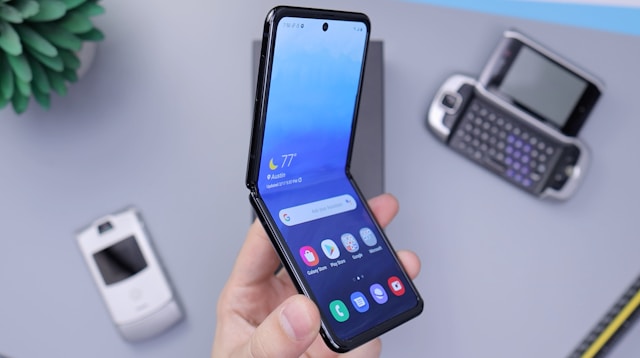
Among the first popular products to leverage this technology were smartphones. Samsung's Galaxy Z Fold series, for instance, epitomizes this trend by offering a device that transforms from a standard phone into a small tablet. The hinge mechanism and robust foldable screens are engineering marvels that cater to users seeking versatility without sacrificing performance.
Similarly, Huawei's Mate X series provides an outward-folding design. Despite some technical hurdles, like screen durability and software adaptation, these gadgets highlight how flexible displays can meet consumer needs for multifunctional devices.
Rollable Tablets
The rollable tablet concept has turned heads in recent years. Lenovo's rollable concept laptop showcases a screen that expands vertically with just the touch of a button, doubling as a display and a second screen.
LG introduced its rollable OLED TV technology that could pave the way for future tablets capable of expanding their screens on demand. These products illustrate how flexibility in design can merge utility and aesthetics.
Wearable Technology
Flexible displays are also making strides in wearables. Smartwatches with curved displays like the Nubia Alpha offer extended screens that wrap around the wrist, providing more interactive surfaces. As battery technologies advance, we can expect even more ambitious designs in the wearable sector, pushing boundaries further.
The Technological Framework Behind Flexible Displays
Understanding how flexible displays work involves looking at the materials and techniques used. Typically, they use plastic substrates over glass ones to allow bending without breaking.
Key Components
- OLED Layers: Essential for enabling light emission and color display in thin layers that maintain performance while bending.
- TFT Backplanes: Thin-Film Transistor (TFT) backplanes drive the individual pixels of OLEDs effectively, providing flexibility with control circuitry embedded directly into flexible substrates.
- Protective Layers: New forms of hybrid protective coatings blend polymer compounds to resist scratches and provide extra robustness.
These components work together to ensure that as displays bend, they continue to operate efficiently, without losing visual quality or durability.
Challenges and Considerations
Despite significant advancements, there remain challenges in producing flexible displays at scale. Issues like manufacturing defects, cost implications, and longevity under repeated use are areas needing innovation.
Durability and Longevity
The cycle of bending and folding introduces stresses that can potentially reduce lifespan. Manufacturers are investing in R&D to enhance resilience through new polymers and composites capable of withstanding more extensive use without degradation.
Software Optimization
A flexible device requires an adaptive user interface that can transition seamlessly across form factors. This necessitates sophisticated software solutions ensuring apps respond effectively whether the display is folded or expanded.
The Future of Flexible Displays
The evolution of flexible displays points toward more than just bendable phones or roll-up televisions; it hints at a future where entire devices could be fashioned to fit any shape or space required by the user. The integration into fabrics or vehicle interiors represents untapped potential markets.
Sustainability Considerations
With environmental consciousness rising, incorporating sustainable materials in the production process is becoming essential. Biodegradable substrates and non-toxic production processes are under research to ensure future innovations align with eco-friendly standards.
Expanding Applications
We can anticipate seeing flexible displays in augmented reality headsets, providing more immersive experiences through lightweight and adaptive screens. In architecture, they might replace traditional windows or walls with dynamic displays providing real-time data or stunning visuals.
A Practical Framework for Understanding Flexible Display Applications
- Identify Core Needs: Determine what flexibility can offer your gadget—be it portability, functionality enhancement, or aesthetic appeal.
- Evaluate Materials: Look into available technologies like OLEDs or microLEDs to suit your product's demands.
- Prototype Design: Create prototypes using modeling tools to assess how flexibility affects usability and durability.
- User Testing: Engage potential users with early models to gather feedback on interface adaptability and comfort.
- Sustainability Assessments: Consider the life cycle impacts of materials chosen to ensure alignment with environmental goals.
This framework assists developers and designers in strategically incorporating flexible displays into new devices or applications.