
E-Readers and Their Influence on Modern Reading Culture in 2023
The Rise of E-Readers: A Paradigm Shift in Reading
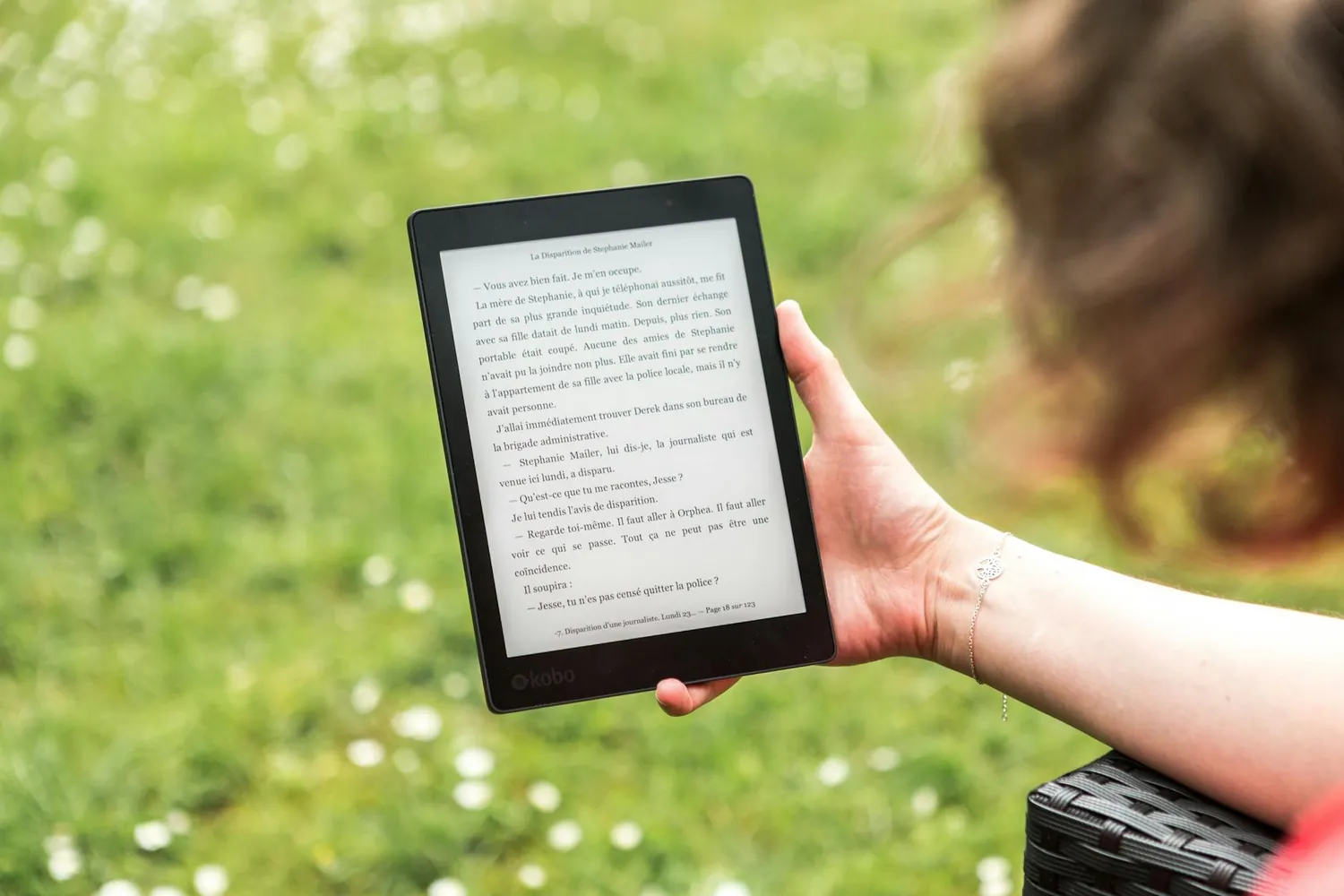
The introduction of e-readers marked a pivotal point in the history of reading, ushering in a digital revolution that has continued to evolve through 2023. Devices like the Amazon Kindle, Kobo, and Barnes & Noble's Nook transformed how people access and consume literature. While printed books have an undeniable tactile charm, e-readers offer a unique set of benefits, including portability, accessibility, and convenience.
As of 2023, the global e-reader market has reached unprecedented heights, with millions of users worldwide choosing digital devices over traditional books. But what is driving this shift? Let’s explore some key factors:
- Portability: Modern e-readers can hold thousands of books, making them a perfect companion for avid readers who travel frequently. This allows users to carry an entire library in their backpack.
- Customization: E-readers offer adjustable font sizes, backlighting, and even audio narration, making them accessible to a broader audience, including those with visual impairments.
- Instant Access: The ability to purchase and download books instantly from anywhere at any time offers unparalleled convenience.
Analyzing User Engagement and Preferences
Data from various studies in 2023 reveals intriguing insights into user engagement with e-readers compared to traditional books. A recent survey by Pew Research Center shows that 45% of adults in the U.S. now own an e-reader. However, user preferences exhibit complex patterns:
Usage Patterns: Traditional vs. Digital
A significant portion of readers still enjoy physical books, with 37% preferring them over digital formats. Yet, e-reader users engage more consistently with their reading material, with an average increase of 35% in annual book consumption reported among digital readers.
Consider Emily Thompson, a 32-year-old marketing executive from Seattle. Emily initially resisted transitioning from her beloved paperbacks to an e-reader until she realized the convenience it brought to her busy lifestyle. "I read during my daily commute," she says. "Having multiple titles at my fingertips without the bulk is a game-changer."
The Digital Experience: Benefits and Challenges
E-readers provide features that enhance the reading experience. Built-in dictionaries allow readers to look up words instantly, while annotation capabilities support note-taking directly on the device. However, there are trade-offs:
- Distractions: As e-readers integrate more functionalities, they also become susceptible to digital distractions from notifications and internet access.
- Eye Strain: Despite advances in screen technology aimed at mimicking paper (such as E Ink), prolonged use can still cause eye fatigue for some users.
Convenience vs. Digital Distractions
The battle between convenience and distraction is a central theme in the discourse around e-readers. For instance, models like Kindle Paperwhite and Oasis prioritize reading-focused features while limiting access to other apps or functions that can detract from reading time.
Tactics to Enhance Focus
To mitigate distractions, users can employ several strategies:
- Dedicated Reading Time: Set specific times for reading when interruptions are minimized.
- Notification Settings: Adjust settings to disable unnecessary alerts while using an e-reader.
The Role of E-Readers in Education and Accessibility
E-readers are not just influencing leisure reading; they also play a crucial role in education and accessibility. Schools and universities are increasingly adopting digital textbooks accessible via e-readers to facilitate learning for students of all ages.
An inspiring example is that of St. Mary's High School in Texas, which implemented e-readers across its curriculum. The shift reduced textbook costs by 60% and improved engagement among students who appreciated interactive content features such as embedded videos and quizzes.
Accessibility Features
For individuals with disabilities, e-readers can be transformative tools. Text-to-speech functions enable visually impaired users to enjoy literature audibly, while customizable text settings accommodate those with dyslexia or other reading difficulties.
The Environmental Impact of E-Readers
The environmental implications of shifting from print to digital are multifaceted. On one hand, e-readers reduce the demand for paper and physical book production, which could lead to a decrease in deforestation and carbon footprint associated with printing industries.
However, it's important to consider the lifecycle of electronic devices. E-readers require energy-intensive production processes and generate electronic waste at the end of their lifespan. Addressing these concerns requires manufacturers to adopt sustainable practices, such as recycling programs and longer-lasting battery technologies.
Sustainable Solutions
Companies like Kobo are leading the charge by introducing eco-friendly models made from recycled materials. These initiatives highlight the potential for innovation within the industry towards more sustainable products.
The Future of E-Readers: Innovations on the Horizon
As technology advances, so does the potential for new innovations in e-reader design and functionality. Future trends may include further integration of AI-driven personalization features that suggest content based on user preferences or mood detection technologies that adjust lighting and font styles accordingly.
A significant development expected is the expansion of color e-ink displays, which will enhance visual content without compromising battery life—a key limitation of current LCD alternatives.
The Path Forward
The future landscape of reading will likely be a hybrid one where both print and digital coexist harmoniously. Understanding and embracing the strengths and weaknesses of each medium will allow readers to tailor their experiences according to personal needs and preferences.
E-readers will continue to influence modern reading culture by providing flexible solutions that cater to diverse audiences—from casual readers seeking convenience to students and professionals needing functional enhancements.