
Choosing Solar-Powered Wearables: A Comprehensive Buyers' Guide
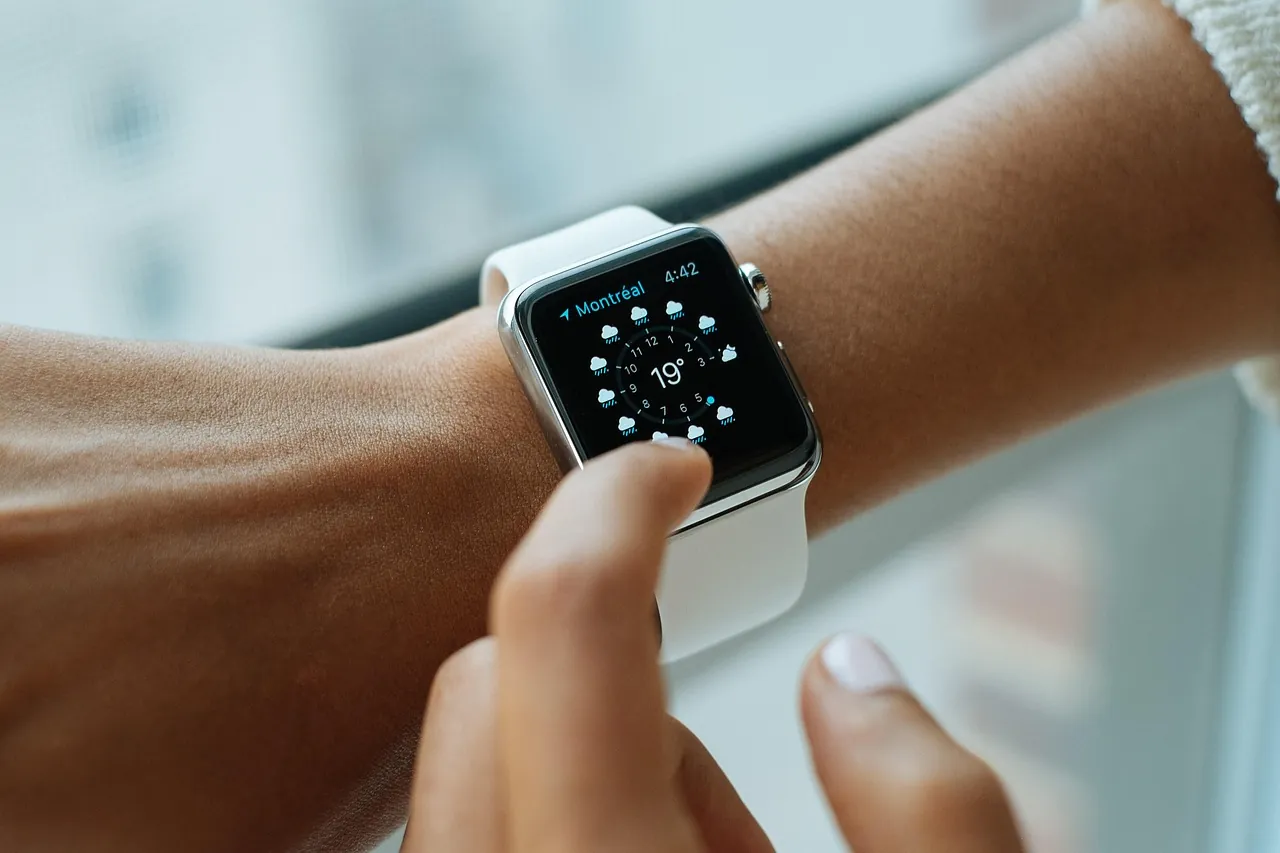
The Rise of Solar-Powered Wearables
In recent years, the integration of solar power technology in wearables such as fitness trackers and smartwatches has gained momentum. This innovative approach not only extends the battery life of these gadgets but also aligns with the growing demand for sustainable solutions in technology. As users seek more eco-friendly ways to maintain their digital lifestyles, solar-powered wearables are becoming an appealing option.
Understanding Solar Technology in Wearables
Solar-powered wearables are equipped with photovoltaic cells that convert sunlight into electrical energy. These cells are usually integrated into the display or the casing of the device. This technology is particularly advantageous for outdoor enthusiasts or individuals who spend significant time outside, ensuring that their devices remain charged throughout the day.
Advantages of Solar-Powered Wearables
Choosing solar-powered wearables offers several benefits:
- Extended Battery Life: The primary advantage is the extended battery life that comes from continuous energy harvesting from sunlight.
- Sustainability: By reducing reliance on traditional charging methods, users lower their carbon footprint.
- Convenience: Less frequent charging means more convenience for users on the go.
Key Features to Consider When Buying
When selecting a solar-powered wearable, it’s crucial to consider specific features to ensure the device meets your needs:
Efficiency of the Solar Cells
The efficiency of solar cells can vary significantly among devices. Look for wearables with high-efficiency cells, which can convert a greater percentage of sunlight into usable energy, even under partial sunlight conditions.
Battery Capacity
A larger battery capacity means more energy storage for when you need it most. While solar power can top up your device, a robust battery ensures longevity during periods of low sunlight.
Device Features
Consider the functionality offered by the wearable. Features such as GPS tracking, heart rate monitoring, and connectivity options like Bluetooth and Wi-Fi can affect power consumption.
Comparing Solar-Powered Wearable Options
Fitness Trackers vs. Smartwatches
Both fitness trackers and smartwatches can be solar-powered, but they serve different purposes and come with unique advantages:
- Fitness Trackers: Typically more lightweight and focused on health metrics like steps, heart rate, and calorie tracking. They generally consume less power, making them ideal candidates for solar enhancement.
- Smartwatches: Offer a wider range of functionalities, including apps, notifications, and media playback. These require more power but benefit significantly from solar charging due to their larger displays and functionality.
Pros and Cons of Different Solar Wearable Brands
Brand A: Known for Fitness Accuracy
Brand A focuses on precise health metrics with durable solar panels embedded seamlessly into its design. However, it may lack some advanced smartwatch features, making it more suitable for fitness-focused users.
Brand B: Comprehensive Smartwatch Experience
Brand B integrates solar technology into a full-featured smartwatch, offering a wide array of apps and connectivity options. While its comprehensive feature set is impressive, it comes at a higher price point.
Best Practices for Using Solar-Powered Wearables
- Ensure your device is exposed to direct sunlight whenever possible to maximize charging efficiency.
- Regularly clean the solar panel area to prevent dirt and debris from blocking sunlight absorption.
Sustainability Impact
The environmental benefits of solar-powered wearables extend beyond personal use. By adopting these gadgets, consumers contribute to broader sustainability goals, encouraging manufacturers to pursue more eco-friendly innovations across the tech industry.
Checklist for Selecting Solar Features
- Assess Your Needs: Determine if you need a basic fitness tracker or a multifunctional smartwatch.
- Evaluate Solar Efficiency: Look for high-efficiency solar panels integrated into the design.
- Consider Battery Life: Opt for devices with significant battery storage capabilities.
This comprehensive guide serves as a useful resource for tech enthusiasts and environmentally conscious consumers alike who are considering the transition to solar-powered wearables. With technological advancements continuing to progress, these devices represent a step forward in marrying convenience with sustainability.