
Steps to Implementing a Robust Zero Trust Architecture for Telecommuting
Understanding Zero Trust Architecture
The Zero Trust security model operates on the principle of 'never trust, always verify.' It assumes that threats could be present both inside and outside the network. This approach is critical in the context of telecommuting, where remote connections can become potential entry points for cyber threats.
The Evolution of Zero Trust
Traditional security models relied heavily on perimeter defense with firewalls as the primary defense mechanism. However, with the rise of remote work and cloud services, these perimeters have become obsolete. Zero Trust addresses this challenge by focusing on identity verification and minimizing access based on roles and policies.
Implementing Zero Trust in Telecommuting
Implementing a Zero Trust Architecture (ZTA) for a remote workforce involves several strategic steps. Below, we explore these steps in detail, tailored for an organization striving to enhance its cybersecurity posture.
Step 1: Verify Identity
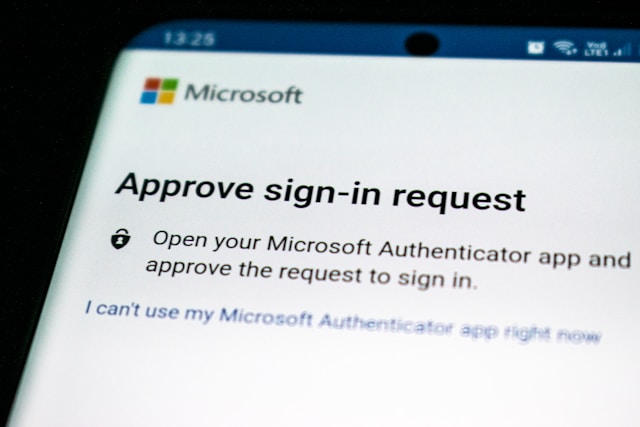
Identity verification is the cornerstone of Zero Trust. It ensures that only authenticated users gain access to corporate resources.
- Multi-Factor Authentication (MFA): Implement MFA to require more than one method of verification from independent categories of credentials. For instance, combining a password with a biometric scan or a one-time passcode sent to a mobile device.
- Single Sign-On (SSO): Use SSO solutions to enhance user experience and reduce the complexity of managing multiple passwords. With SSO, users authenticate once and gain access to multiple applications without further logins.
These measures ensure that even if one authentication method is compromised, unauthorized access is still unlikely.
Step 2: Limit Access
In Zero Trust, access is granted based on 'least privilege.' Users are given minimum levels of access necessary to perform their job functions.
- Role-Based Access Control (RBAC): Assign permissions based on user roles. For instance, a sales manager may have access to CRM systems but not to the internal HR database.
- Micro-segmentation: Divide your network into smaller, isolated segments that require separate authentication and authorization processes. This limits lateral movement within your network should an attacker gain access.
By limiting access, you minimize the attack surface and contain potential breaches within isolated segments of your network.
Step 3: Continuously Monitor for Threats
Continuous monitoring is critical in a Zero Trust environment to quickly identify and respond to threats.
- Security Information and Event Management (SIEM): Deploy SIEM solutions to aggregate logs and generate alerts based on defined threat patterns and anomalies.
- User and Entity Behavior Analytics (UEBA): Implement UEBA tools to detect unusual behavior patterns that could indicate insider threats or compromised accounts. For instance, a user accessing files at an unusual hour or from an atypical location.
This continuous feedback loop allows for dynamic adaptation to evolving threats and quick remediation of potential security incidents.
Practical Framework for Zero Trust
The implementation of Zero Trust requires a well-thought-out framework. Here’s a concise framework organizations can adapt:
- Verify Identity: Enforce strong authentication using MFA and SSO.
- Limit Access: Utilize RBAC and micro-segmentation to enforce the principle of least privilege.
- Continuous Monitoring: Leverage SIEM and UEBA for proactive threat detection and response.
This framework serves as a guideline for organizations to tailor their cybersecurity strategy effectively while accommodating remote work dynamics.
Overcoming Challenges in Implementation
Despite its advantages, Zero Trust implementation comes with challenges that need to be addressed.
Cultural Shift
Transitioning to Zero Trust may face resistance as it changes how employees access resources. Effective communication and training programs are essential to facilitate this shift.
Integration with Existing Systems
Adapting legacy systems to fit into a Zero Trust model can be complex. Organizations should gradually integrate compatible technologies and phase out non-compliant systems where feasible.
The Future of Remote Work Security
The growing trend of remote work demands robust security models like Zero Trust. As cyber threats evolve, so too must our defenses. Implementing Zero Trust is not just a technical upgrade; it's an organizational commitment to safeguarding data integrity and privacy in a distributed working environment.