
Evaluating the Security Risks of Smart Devices in Everyday Use
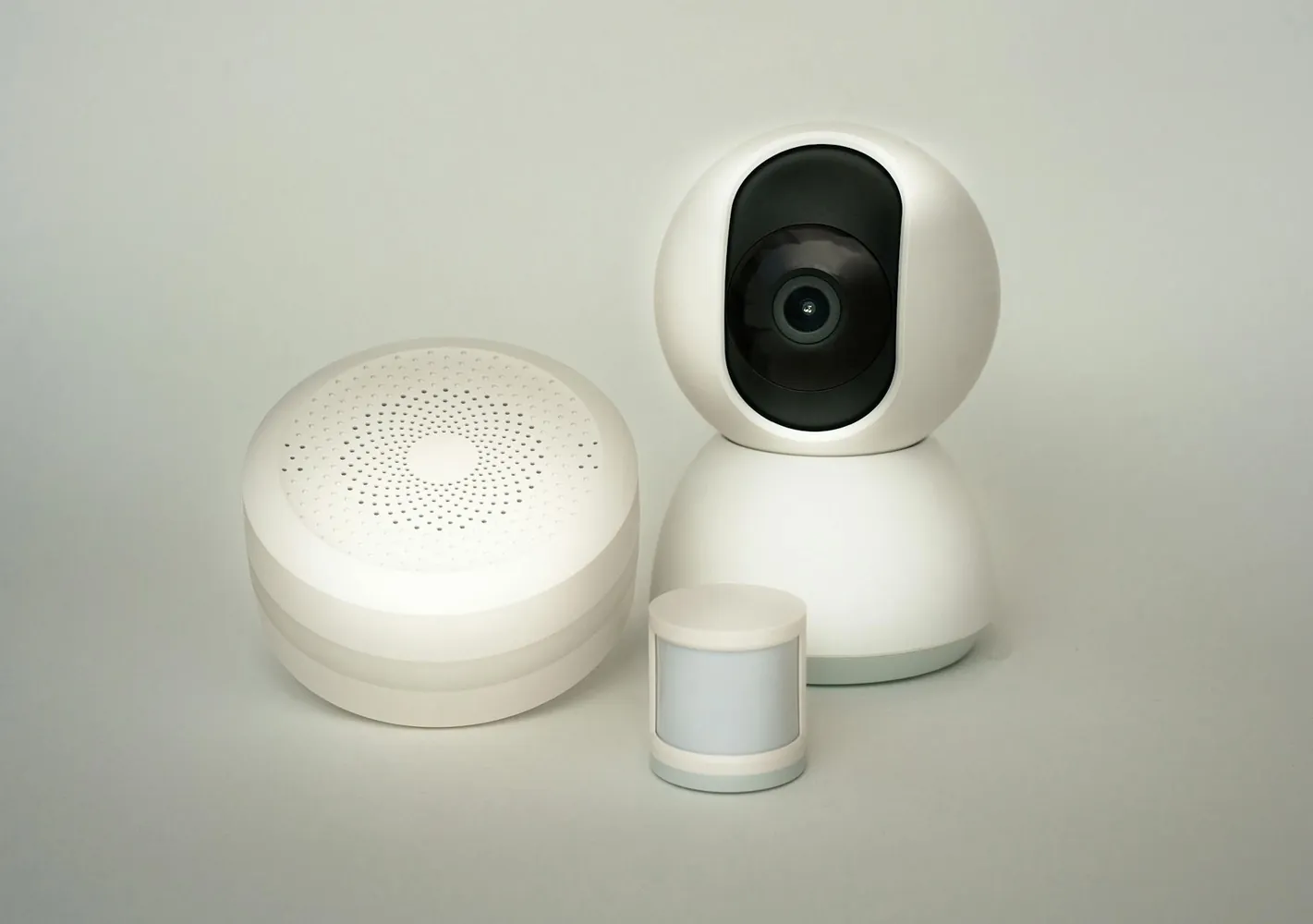
The Growing Prevalence of IoT Devices
In recent years, the Internet of Things (IoT) has transitioned from a futuristic concept to a tangible reality embedded in our daily lives. From smart thermostats and refrigerators to wearables and security cameras, these devices offer unprecedented convenience and connectivity. However, as we increasingly rely on smart technology, it's crucial to address the security vulnerabilities inherent in IoT devices.
Common Vulnerabilities in IoT Devices
Smart devices often suffer from several common vulnerabilities that can be exploited by malicious actors. These include:
- Weak Authentication: Many IoT devices come with default passwords that users fail to change, making them easy targets for hackers.
- Lack of Encryption: Data transmitted between devices and servers is not always encrypted, leaving sensitive information exposed.
- Outdated Firmware: Devices often run on outdated software, which can contain known security flaws.
These vulnerabilities underline the importance of implementing robust security measures to protect smart devices.
The Role of Firmware Updates
Firmware updates are crucial for maintaining the security of IoT devices. Manufacturers periodically release updates to patch security vulnerabilities and improve performance. However, many users neglect these updates, leaving devices exposed to threats.
Consider this real-world example: In 2016, a massive DDoS attack targeted DNS provider Dyn, disrupting major websites like Twitter and Netflix. The attack leveraged a botnet composed of IoT devices running outdated firmware.
To prevent such incidents, it's imperative to enable automatic updates whenever possible and regularly check for new firmware releases from the device manufacturer.
Best Practices for Securing Smart Devices
Securing IoT devices requires a proactive approach. Here are some best practices:
- Change Default Credentials: Upon setting up a new device, immediately change default usernames and passwords to unique, strong alternatives.
- Network Segmentation: Create separate networks for different types of devices. For example, place IoT devices on a guest network to isolate them from more sensitive data.
- Enable Multi-Factor Authentication (MFA): Whenever possible, enable MFA for added security layers beyond just passwords.
The Importance of Network Segmentation
Network segmentation involves dividing a network into subnetworks, each acting as an independent entity. This practice limits the reach of an attacker if one segment is compromised. By placing IoT devices on a segmented network, any potential threat is confined, reducing the risk to core systems.
An effective strategy might include:
- A dedicated network for all smart home devices.
- A separate network for personal computers and mobile devices.
- A guest network for visitors that isolates their access from internal resources.
Protecting Personal Data
Smart devices often handle significant amounts of personal data. It's vital to ensure that this data is protected from unauthorized access:
- Review Privacy Settings: Regularly check device settings to control data sharing preferences.
- Use Secure Connections: Opt for secure connections (e.g., HTTPS) when accessing or configuring devices remotely.
An Example: Smart Home Assistants
Smart home assistants like Amazon Echo or Google Home listen to voice commands to perform tasks. While convenient, these devices can inadvertently record private conversations.
To protect your privacy:
- Regularly review and delete stored voice recordings via the device's app or website.
- Disable features you don't use, such as continuous listening modes.
A Mini-Framework for IoT Security Management
This framework offers a structured approach to securing IoT environments:
- Assessment: Identify all connected devices within your environment and their respective functions.
- Baseline Configuration: Apply initial security settings such as changing default credentials and enabling encryption.
- Regular Audits: Schedule routine audits to ensure configurations remain secure and up-to-date with new firmware.
- Incident Response Plan: Develop a response plan in case of a security breach, detailing steps for containment and recovery.
Implementing the Framework
An effective implementation might look like this:
- Create an inventory of all smart devices in use, documenting their purpose and connectivity requirements.
- Set up automatic firmware updates and configure network segmentation accordingly.
- Spearhead monthly audits using tools like Nessus or OpenVAS to identify potential vulnerabilities.
- Formulate a simple incident response guide—e.g., disconnect compromised devices immediately, assess the impact, and restore backups if necessary.
Conclusion
The proliferation of smart devices offers unparalleled convenience but brings significant security challenges. By understanding common vulnerabilities and adopting best practices—such as regular firmware updates and network segmentation—users can effectively mitigate risks associated with IoT technology. This proactive approach is vital to safeguarding not just individual devices but entire networks against potential threats in our increasingly connected world.