
Deciding Between Cloud-Based and Classic Antivirus: A Comprehensive Analysis
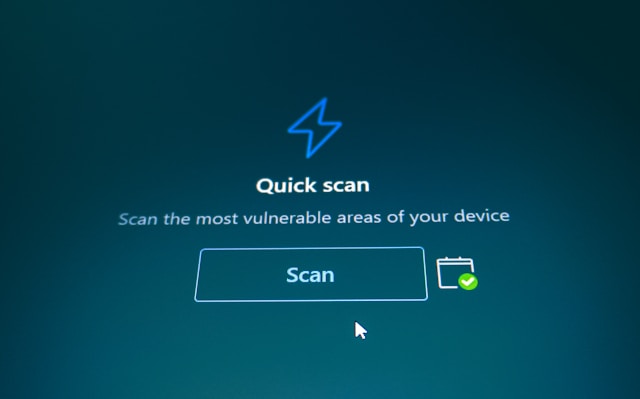
Understanding Antivirus Solutions: Cloud-Based vs. Traditional
In today's rapidly evolving digital landscape, protecting your systems from malicious attacks is paramount. The choice between cloud-based and traditional antivirus solutions can be daunting, given the varied features each offers. This article aims to dissect these two approaches to help you make an informed decision.
Cloud-Based Antivirus: Modern Security in the Cloud
How Cloud-Based Antivirus Works
Cloud-based antivirus solutions leverage remote servers to process data and detect threats. Instead of housing malware definitions on the user's device, they store this information in the cloud, allowing for quick scanning and real-time updates. For instance, solutions like Webroot SecureAnywhere operate with minimal system impact by continuously updating their threat database via cloud servers.
Pros of Cloud-Based Antivirus
- Real-Time Updates: Being connected to the cloud means threat databases are constantly updated, providing protection against the latest malware without delay.
- Lower System Impact: Since most processing occurs in the cloud, these solutions demand fewer resources from your device, making them ideal for low-spec hardware.
- Scalability: Easily adaptable to multiple devices and platforms, cloud-based services can be scaled according to business needs without substantial investments in infrastructure.
Cons of Cloud-Based Antivirus
- Internet Dependency: Constant connectivity is crucial; disruptions can lead to potential vulnerability windows.
- Privacy Concerns: Sending data to cloud servers may raise privacy issues, especially if sensitive information is processed.
Traditional Antivirus: Tried and Tested Methods
How Traditional Antivirus Operates
Traditional antivirus solutions install directly on the user's machine, maintaining a local database of known threats. They scan files and processes in real-time to detect and neutralize malware. Products like Norton and McAfee have been industry staples, trusted for their comprehensive security features that operate independently of an internet connection.
Pros of Traditional Antivirus
- Offline Protection: Offers robust security even without an active internet connection, crucial for users with intermittent access.
- Comprehensive Control: Users often have more granular control over scanning schedules and system configurations.
Cons of Traditional Antivirus
- Resource Intensive: These solutions typically require more processing power and storage, which can slow down older machines.
- Delayed Updates: Reliant on periodic manual updates, potentially leaving systems vulnerable until new definitions are downloaded.
Choosing the Right Solution for Your Needs
When to Choose Cloud-Based Antivirus
If your operations rely heavily on internet connectivity and require protection across various modern devices, cloud-based solutions provide flexibility and minimal system interference. They are particularly suitable for organizations that utilize thin clients or environments where computing resources are limited.
When to Opt for Traditional Antivirus
For users with high privacy concerns or those needing reliable protection without internet dependency, traditional antivirus software remains a solid choice. It is ideal for individuals or businesses with strict data confidentiality requirements or those operating in regions with unreliable internet service.
A Hybrid Approach: The Best of Both Worlds?
Some users might benefit from a hybrid approach, combining elements of both cloud-based and traditional antivirus strategies. By leveraging the constant updates of cloud services while maintaining core functionalities offline through traditional methods, users can create a multi-layered defense strategy that addresses a wide array of security scenarios.
Conclusion: Tailoring Your Cybersecurity Strategy
The ultimate choice between cloud-based and traditional antivirus solutions hinges on specific user requirements, technological infrastructure, and operational contexts. By evaluating the pros and cons detailed above, users can strategically deploy antivirus tools that align with their security posture while maximizing resource efficiency.