
Leveraging AI Technologies for Enhanced Supply Chain Demand Planning
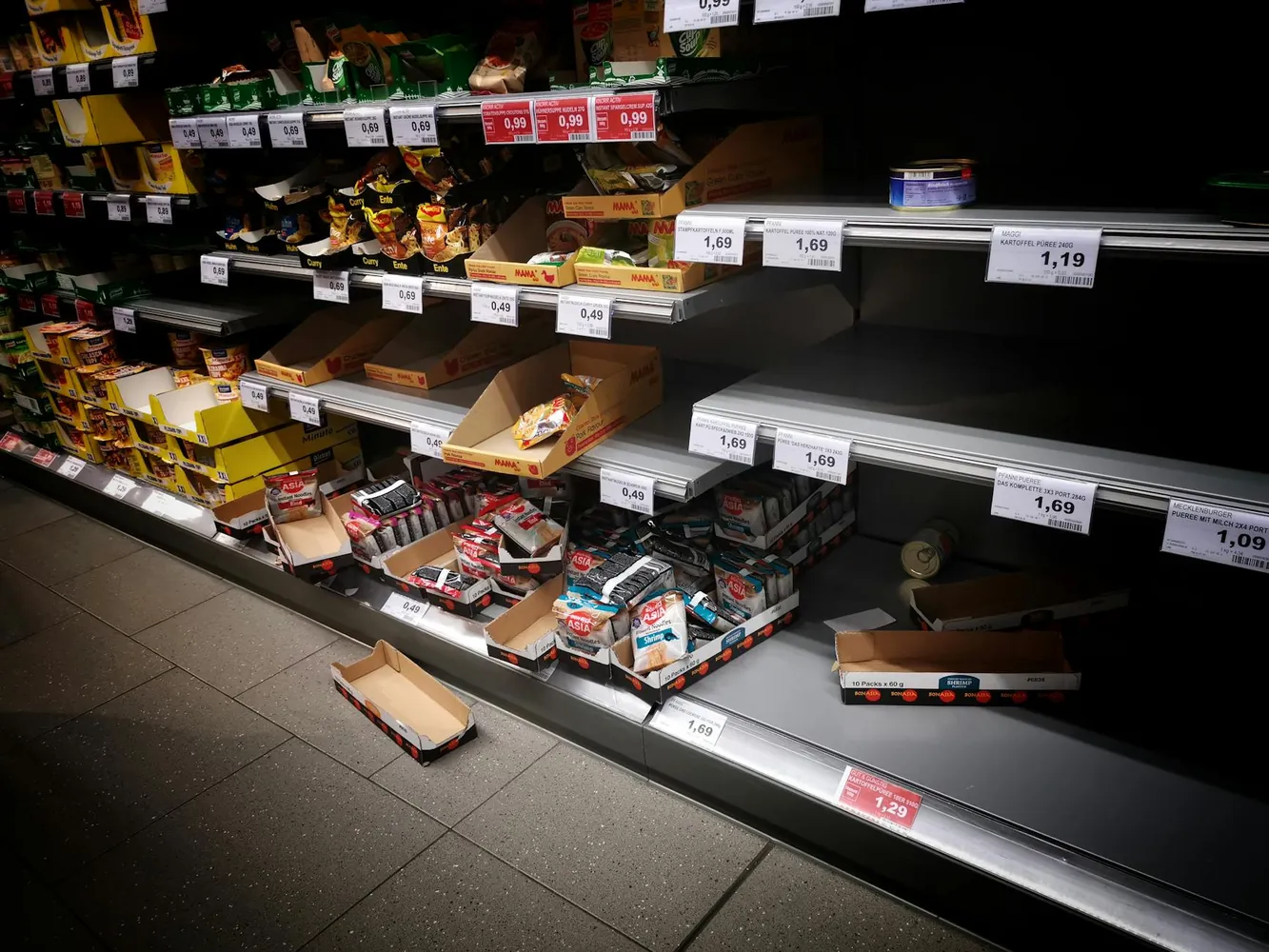
The Role of AI in Modern Supply Chains
In today's fast-paced market environment, supply chains are under constant pressure to be more efficient and responsive. The integration of Artificial Intelligence (AI) in supply chain processes, particularly in demand forecasting and inventory management, offers transformative potential. By leveraging AI technologies, businesses can enhance their ability to predict consumer demand, optimize stock levels, and improve overall operational efficiency.
Understanding AI in Demand Forecasting
AI-driven demand forecasting uses machine learning algorithms and data analytics to predict future customer demand accurately. This process involves analyzing historical data, market trends, and external factors such as seasonal variations and economic indicators. By utilizing AI, companies can shift from reactive to proactive supply chain management.
Data Collection: The Foundation of AI-Driven Forecasting
A critical step in implementing AI for demand forecasting is robust data collection. Companies should gather data from multiple sources including sales records, customer feedback, market research, and social media trends. Ensuring data quality and consistency is essential for accurate AI predictions.
Choosing the Right Algorithm
Selecting the appropriate AI algorithm is vital for effective demand forecasting. Commonly used algorithms include:
- Time Series Analysis: Ideal for understanding patterns over time.
- Regression Analysis: Useful for examining relationships between variables.
- Neural Networks: Beneficial for recognizing complex patterns in large datasets.
The choice of algorithm depends on the specific needs of the business and the nature of the available data.
AI in Inventory Management
Inventory management is another area where AI can provide significant advantages. Effective inventory management balances having enough stock to meet demand while minimizing excess inventory that ties up capital.
Automated Inventory Optimization
AI systems can automate inventory replenishment by predicting optimal order quantities and timings. These systems analyze sales trends, lead times, and supplier performance to minimize both stockouts and overstock scenarios.
Case Study: Retail Giant's Success with AI
A global retail giant successfully implemented an AI-driven inventory management system. By leveraging machine learning algorithms, they achieved a 30% reduction in inventory costs and a 20% improvement in stock availability. The key was integrating real-time sales data with supplier lead times to optimize reorder points.
Implementation Strategies for AI in Supply Chains
Developing a Pilot Program
Before full-scale implementation, companies should start with a pilot program to test AI systems in a controlled environment. This approach allows businesses to refine their models, identify potential challenges, and demonstrate value without significant risk.
Cross-Departmental Collaboration
Implementing AI technologies requires collaboration between IT departments, supply chain professionals, and data scientists. Cross-functional teams ensure that the AI system aligns with business objectives and leverages diverse expertise.
Continuous Learning and Improvement
AI systems need regular updates and improvements as they learn from new data inputs. Establishing a process for continuous evaluation and adaptation is crucial for maintaining accuracy in demand forecasts and inventory management.
The Trade-offs: Challenges of AI Implementation
While AI offers significant benefits, companies must consider the trade-offs involved. Implementing AI solutions can be costly due to the need for advanced software, skilled personnel, and ongoing maintenance. Additionally, ensuring data privacy and security is a critical concern that companies must address when using AI technologies.
Future Trends in AI-Driven Supply Chains
The future of supply chain management lies in further integration of AI with other advanced technologies like Internet of Things (IoT) and blockchain. The convergence of these technologies will enable even more precise tracking and forecasting capabilities, leading to smarter, more resilient supply chains.
In conclusion, leveraging AI technologies in supply chain demand planning offers numerous benefits by enhancing accuracy and efficiency. By focusing on data collection, algorithm selection, and strategic implementation, companies can significantly improve their demand forecasting and inventory management processes.