
creative workflows transformed: practical uses of generative AI
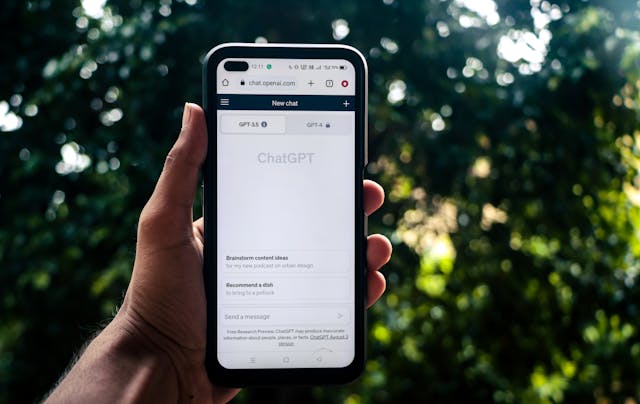
The Role of Generative AI in Creative Writing
Generative AI has carved out a significant niche in creative writing, offering tools that extend beyond simple word processing. By understanding its capabilities and integrating them strategically, writers can enhance both productivity and inspiration.
Exploring Ideation with AI
Ideation is often the most daunting phase of writing. Generative AI can jumpstart this process by providing writers with prompts or themes to explore. For instance, using a tool like OpenAI's ChatGPT, writers can input a vague concept and receive detailed scene settings or plot outlines as output.
Here's how you might approach it:
- Input: "Suggest a plot about a future society dealing with environmental collapse."
- Output: "In a world where cities are submerged, a rebellious scientist discovers a secret to reversing the effects, but powerful factions seek to stop her."
This not only serves as a prompt but also sparks new directions for developing storylines.
Draft Generation Using AI Tools
Once an idea is formed, the challenge is crafting it into a coherent draft. Generative AI excels at maintaining flow and structure while producing content at a rapid pace. Tools like Sudowrite provide writers with the ability to generate multiple paragraphs based on a single sentence input, maintaining style consistency.
Pros and Cons of AI-Generated Drafts
Pros:
- Speed: AI can produce content faster than human typing speeds, reducing time spent on first drafts.
- Consistency: Once style parameters are set, AI maintains tone and voice uniformly across sections.
Cons:
- Lack of Nuance: AI may miss subtle emotional cues or intricate character development unless explicitly instructed.
- Repetition: There's a risk of over-relying on familiar tropes due to training data limitations.
Writers should use AI-generated drafts as robust starting points rather than final outputs.
Enhancing Revision Strategies
The revision stage benefits immensely from AI, which offers functionalities such as grammar checks, readability scoring, and suggestion of synonyms for overused words. Grammarly's AI-driven tool, for instance, provides insights into sentence structure improvements and lexical variety enhancement.
Consider these strategies for revision:
- Automated Editing: Use AI tools to perform the first pass of editing, identifying surface-level errors quickly.
- Style Enhancement: Leverage AI suggestions for alternative phrasings that improve clarity and engagement.
Case Studies: Successful AI Integration
A look at different authors who have integrated AI into their workflows illustrates diverse applications:
Case Study 1: Science Fiction Author
This author used generative AI to design complex worlds with specific cultural and technological dynamics. By inputting basic world-building parameters, the AI proposed innovative societal structures, which served as foundational elements for novel settings.
Case Study 2: Content Creator
A blogger utilized AI for headline generation and keyword optimization, resulting in articles that ranked better in search engines while maintaining reader interest through engaging content.
A Mini-Framework for Writers
This framework serves as a guide to integrate AI effectively:
- Define Your Objective: Clarify whether you're seeking help with ideation, drafting, or revision.
- Select the Right Tool: Choose an AI tool tailored to your specific needs; for instance, Jasper for blog posts or Sudowrite for novel writing.
- Iterate Collaboratively: Treat the AI as a co-writer. Provide feedback on its output to refine subsequent results.
Conclusion: Embracing Generative AI in Writing
The fusion of human creativity and generative AI represents an exciting frontier in writing. While AI can enhance efficiency and provide inspiration, the human touch remains indispensable in crafting narratives that resonate emotionally with readers. By understanding and leveraging these technologies wisely, writers can push creative boundaries while preserving the authenticity of their unique voices.