
Artificial Intelligence in Cyber Defense: Comparative Analysis of Strategies
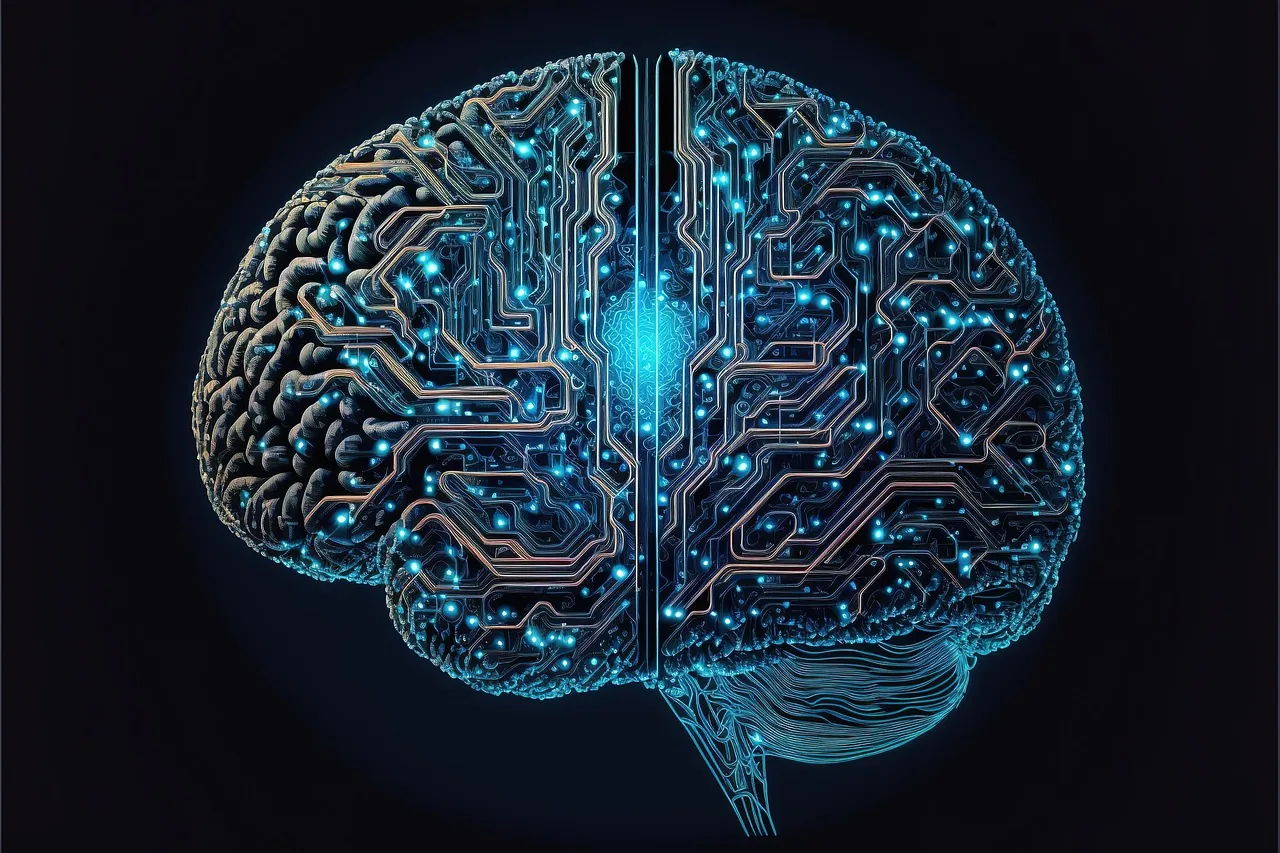
The Role of Artificial Intelligence in Cybersecurity
As cyber threats grow in complexity and volume, organizations increasingly turn to Artificial Intelligence (AI) to bolster their defenses. AI technologies can analyze vast amounts of data quickly, identifying patterns indicative of cyber threats and enabling faster responses than traditional methods.
Organizations face thousands of threats daily, ranging from common malware to sophisticated Advanced Persistent Threats (APTs). AI's role in cybersecurity includes predictive analytics for threat detection, automated responses to incidents, and enhanced threat intelligence. These capabilities allow companies to not only respond to threats but also predict and prepare for them.
Strategies for Implementing AI in Cyber Defense
The integration of AI into cybersecurity strategies can be approached through various methods. Each strategy offers unique benefits and challenges, tailored to specific needs and infrastructures. Below are some common strategies:
1. AI-Powered Threat Detection Systems
AI-powered threat detection systems analyze network traffic and user behavior to identify anomalies that may indicate security breaches. For example, machine learning algorithms can detect unusual login times or access from unfamiliar IP addresses, alerting security teams to potential intrusions.
Implementing AI in threat detection involves deploying algorithms capable of real-time processing. This requires robust computational resources and a high degree of precision to minimize false positives.
2. Automated Incident Response
Automated incident response systems use AI to react to threats as they occur, often faster than human operators. These systems can isolate affected networks, shut down unauthorized access points, and initiate protocol-specific defenses automatically.
A key benefit is the speed of response, which is crucial when dealing with ransomware or DDoS attacks. However, automation must be carefully calibrated to avoid inappropriate actions based on incorrect data interpretations.
3. Enhancing Human Analysis with AI
Rather than replacing human analysts, AI can augment their capabilities. By processing large datasets rapidly, AI can highlight critical areas for human review, increasing efficiency and effectiveness in threat analysis.
This strategy focuses on reducing the cognitive load on analysts, allowing them to focus on strategic tasks rather than routine monitoring. Integrating AI this way also supports continuous learning, as humans refine the models with new insights.
Comparative Analysis of AI Cyber Defense Strategies
When comparing these strategies, organizations must consider factors such as scale, cost, and existing infrastructure. Here is a breakdown of the trade-offs involved:
- Scalability: Automated systems are typically more scalable than manual processes. AI systems can handle larger volumes of data without a proportional increase in workforce size.
- Cost: Initial costs of AI integration can be high due to technology investments and the need for skilled personnel. However, long-term savings are possible through reduced labor costs and minimized damage from security incidents.
- Adaptability: AI systems must be adaptable to new types of threats. Continuous updates and retraining are necessary to maintain effectiveness as threat landscapes evolve.
The Challenge of False Positives
Despite its advantages, AI in cyber defense is not without challenges. A significant concern is the occurrence of false positives—incorrectly flagging legitimate activity as malicious. False positives can lead to unnecessary investigations and alert fatigue among security personnel.
Mitigating this issue involves refining algorithms through machine learning techniques and incorporating feedback loops where human analysts review flagged incidents and provide corrective data. Regular updates and tuning are essential to maintain a balance between sensitivity and specificity in detection mechanisms.
Practical Tips for Organizations
For organizations considering AI implementation in their cybersecurity strategies, here are some practical tips:
- Start with a Pilot Program: Test AI solutions on a small scale before full deployment to identify potential integration issues and refine processes.
- Invest in Training: Equip your IT team with the necessary skills to manage and optimize AI systems effectively.
- Collaborate with Experts: Partner with AI experts and cybersecurity firms to ensure best practices are followed in implementation.
- Monitor and Adjust: Continuously monitor the performance of AI systems and be prepared to make adjustments as needed based on evolving threats.
Conclusion
The integration of AI into cyber defense strategies represents a significant advancement in protecting digital infrastructures against modern threats. While challenges such as false positives persist, the potential benefits of faster threat detection, efficient incident response, and improved resource allocation make it a compelling option for organizations worldwide.
The key to successful implementation lies in understanding the strengths and limitations of each strategy, ensuring systems are tailored to specific organizational needs while remaining flexible enough to adapt to future challenges. As technology continues to evolve, so too must our approaches to safeguarding sensitive information and maintaining cyber resilience.